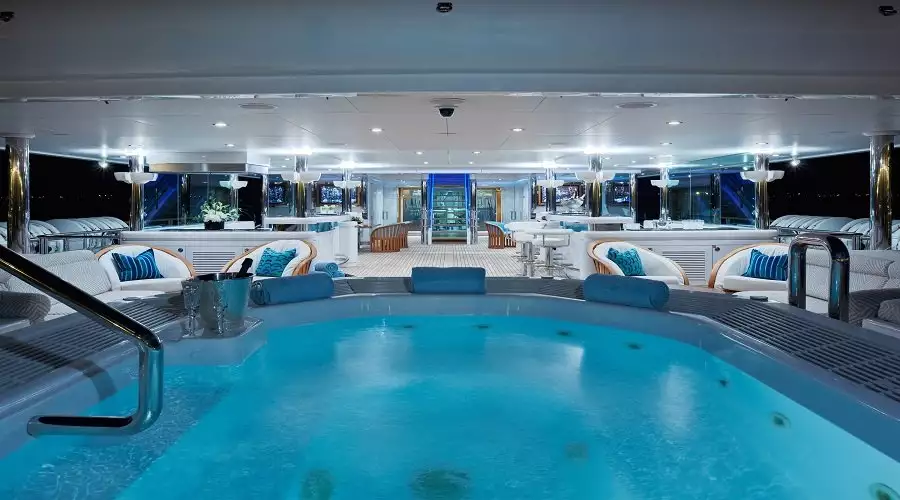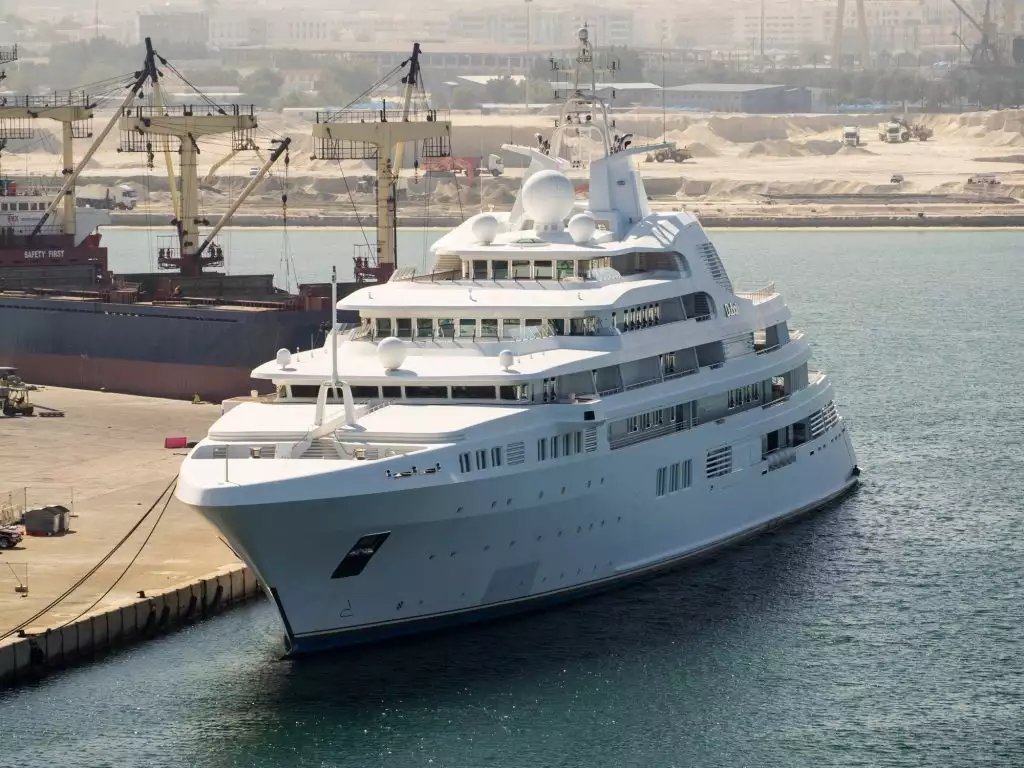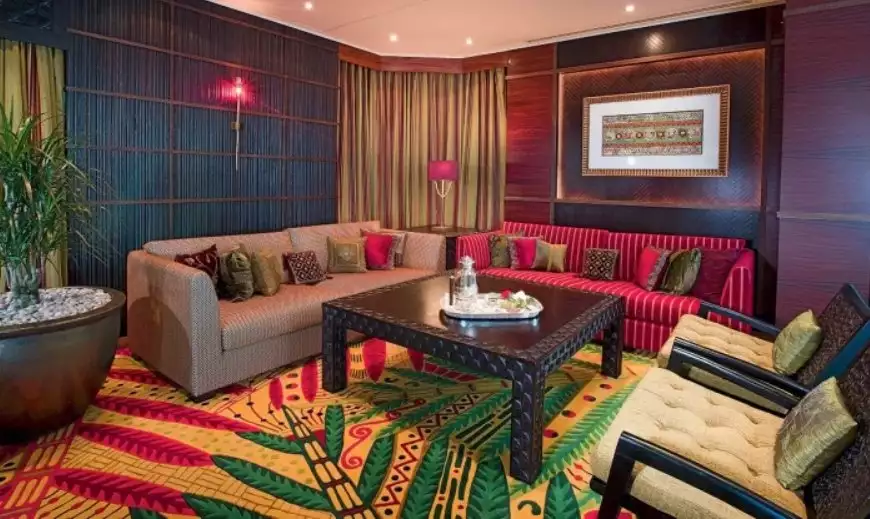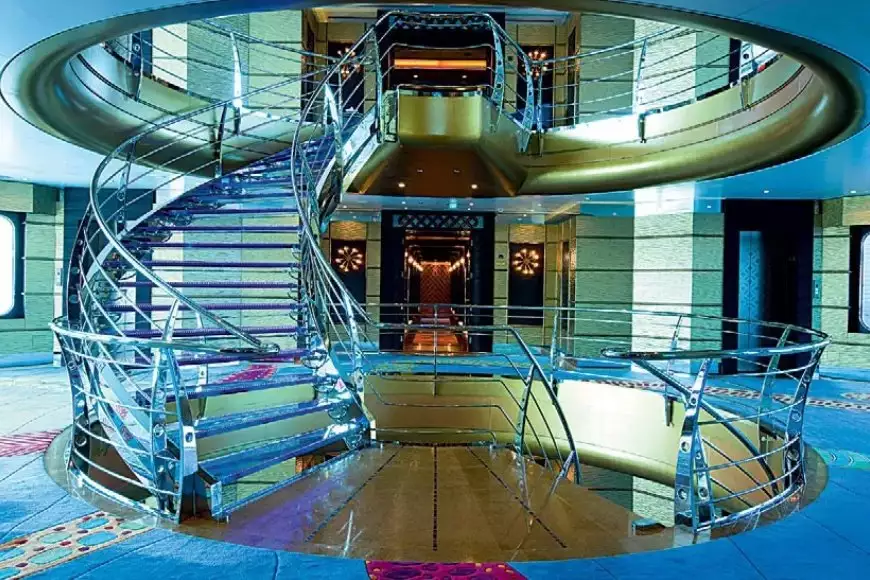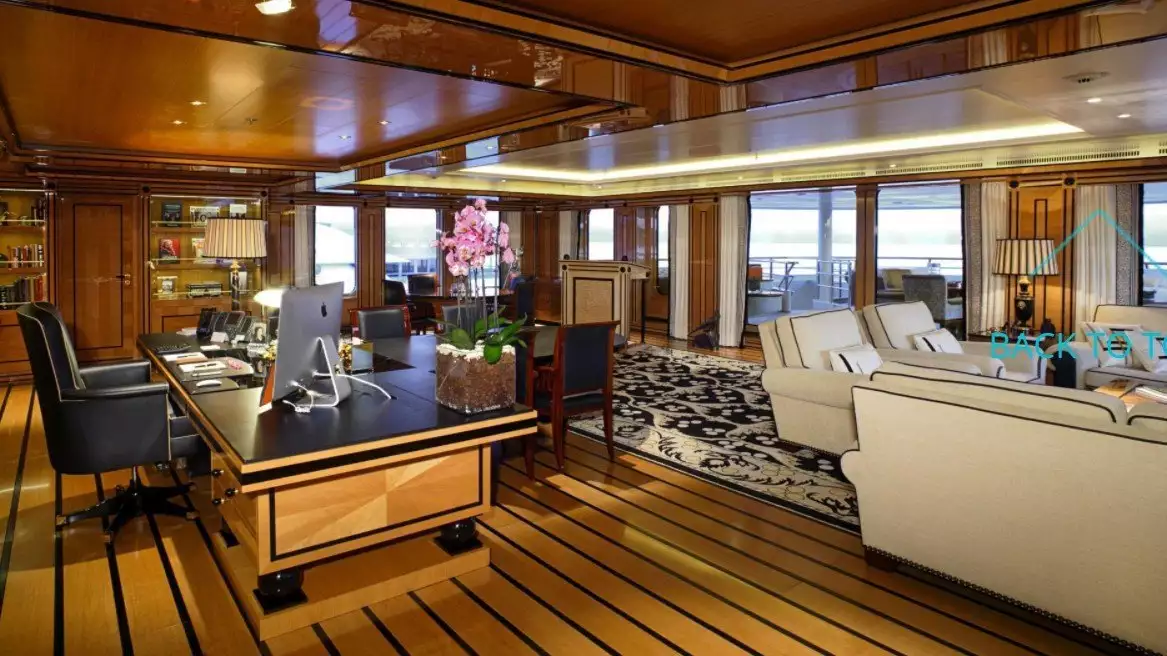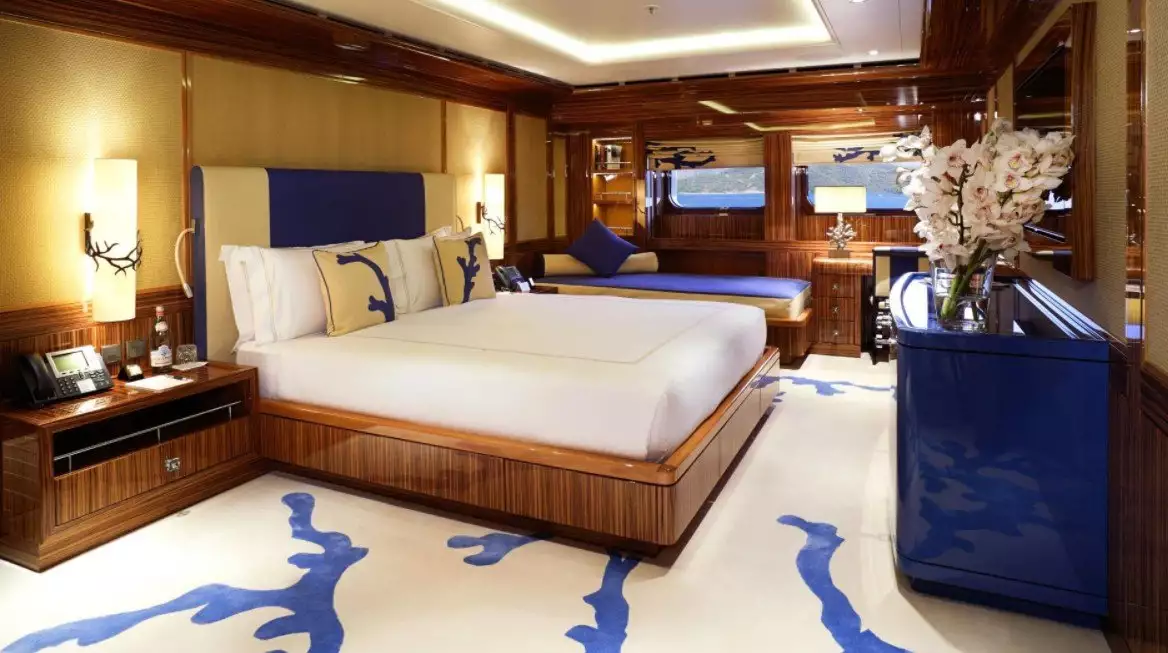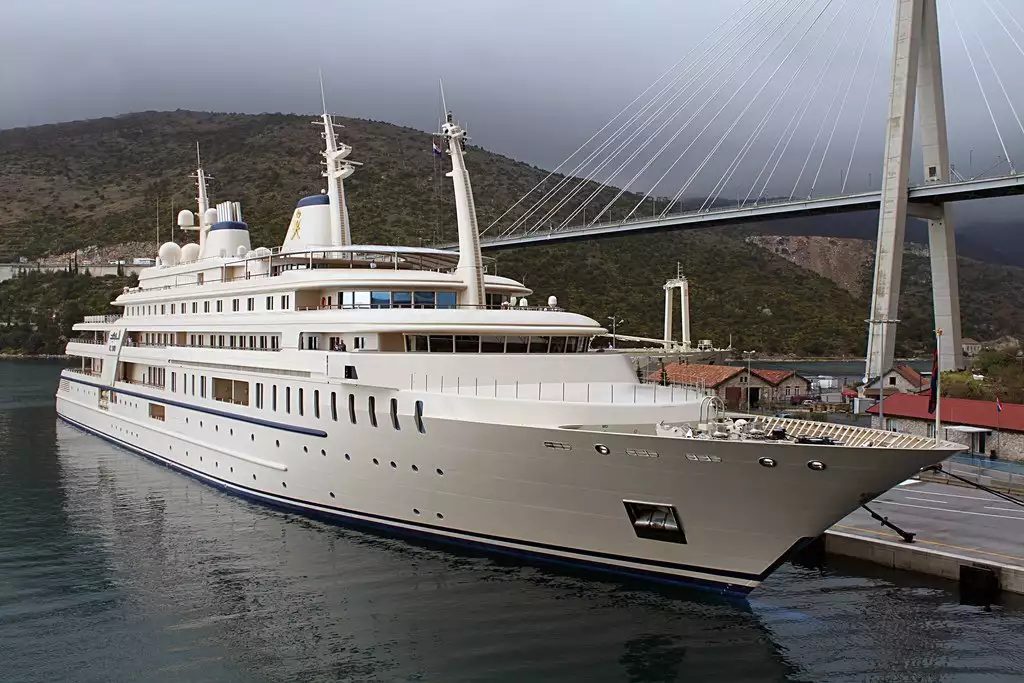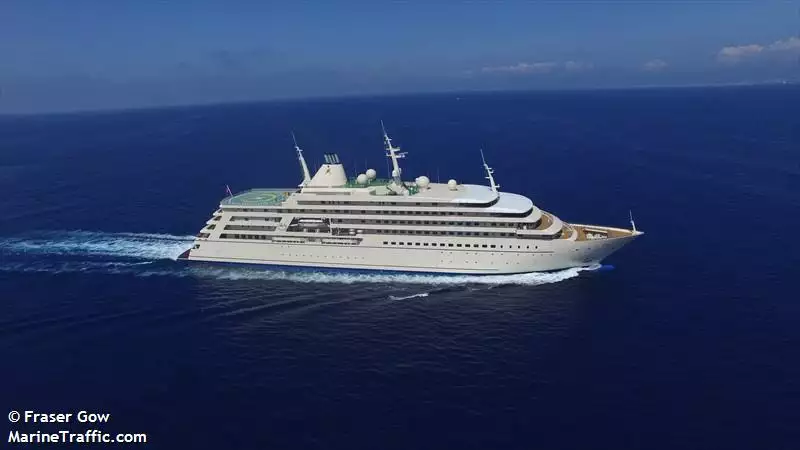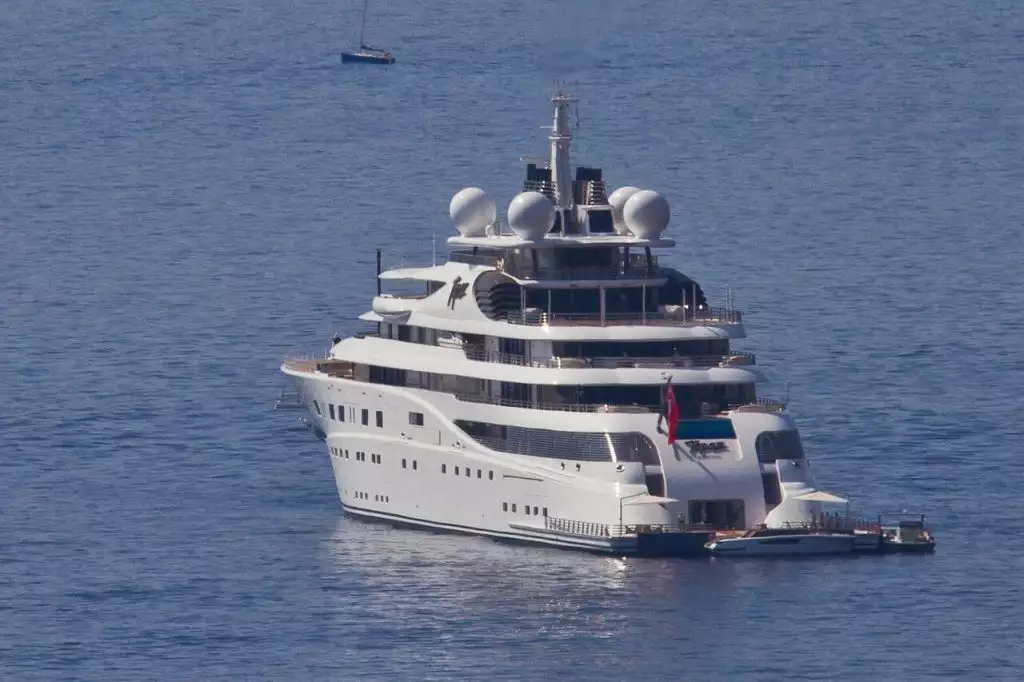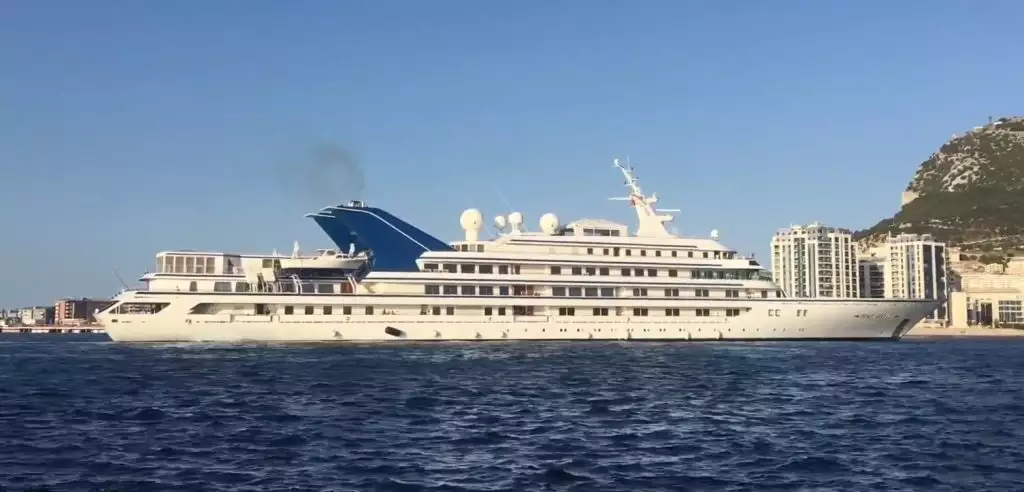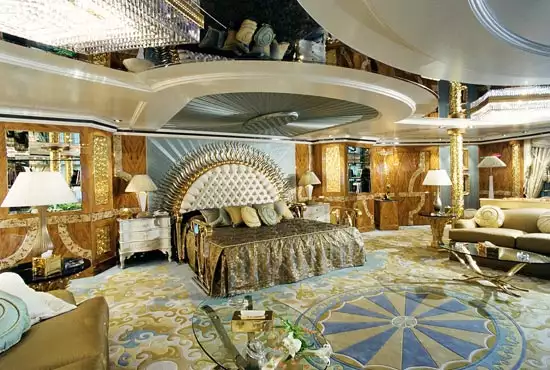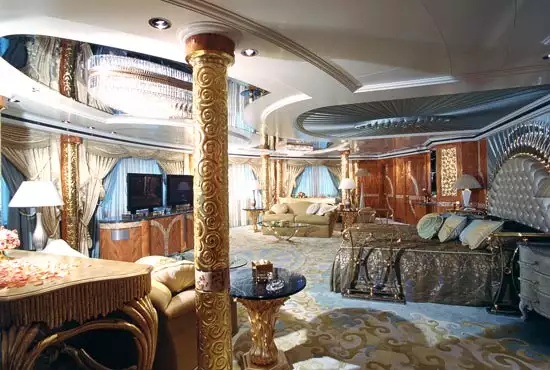

Onboard the Top 12 of BIGGEST SUPERYACHTS in the World – 2026
Exploring the Largest Superyachts: A Look at Luxury and Engineering
The world’s largest superyachts represent the very top of private yacht design, naval architecture and luxury craftsmanship. These remarkable vessels are far more than floating residences; they are complex engineering projects that combine advanced propulsion systems, highly customized interiors, long-range cruising capability and exceptional onboard amenities.
On this page, we highlight some of the largest superyachts in the world, including their builders, owners, estimated values and standout features. From record-breaking motor yachts to innovative sailing yachts and new-generation hydrogen-powered vessels, the largest yachts continue to push the boundaries of what is technically and financially possible.
Key Takeaways
- The world’s largest superyachts are usually measured by length, but gross tonnage and displacement often give a better idea of their true size and volume.
- Leading yacht builders such as Lürssen, Feadship, Blohm+Voss, Oceanco and Benetti dominate the large-yacht sector.
- Many of the biggest yachts in the world exceed 100 meters in length and are built as fully custom projects.
- Large superyachts are often owned by billionaires, royalty, industrialists and entrepreneurs from sectors such as technology, finance, energy and natural resources.
- Modern superyachts increasingly include hybrid propulsion, battery systems, dynamic positioning, waste treatment systems and more efficient hull designs.
- The 118.8-meter BREAKTHROUGH by Feadship is widely reported as the world’s first hydrogen fuel-cell superyacht.
- Future yacht design is expected to focus more on sustainability, reduced emissions, automation, connectivity and alternative fuels.
Defining a Superyacht
A superyacht is generally defined as a privately owned luxury yacht measuring more than 24 meters, or 79 feet, in length. Within that broad category, the largest examples are often called megayachts or gigayachts, especially when they exceed 80, 100 or even 150 meters.
The biggest superyachts are almost always custom-built. Instead of following a standard production model, they are designed around the owner’s personal preferences, lifestyle, security requirements and travel plans. This can include private owner’s decks, large guest suites, wellness centers, beach clubs, cinemas, gyms, spas, swimming pools, helipads, tender garages and even submarines.
Because these vessels are so complex, they can take several years to design and build. A large yacht project may involve naval architects, exterior designers, interior designers, engineers, classification societies, project managers, brokers, legal advisers and hundreds of specialist suppliers.
Leading Shipyards
Only a small number of shipyards worldwide have the experience, workforce and technical facilities needed to build the largest superyachts. These projects require enormous construction halls, advanced engineering teams, heavy-lift infrastructure and deep knowledge of custom yacht systems.
Among the most important names are Lürssen, Feadship, Blohm+Voss, Oceanco, Benetti, Nobiskrug and Fincantieri. These yards have built many of the most famous yachts in the world, including vessels that rank among the largest by length, gross tonnage and overall volume.
German shipyard Lürssen is especially well known for building some of the world’s largest private yachts, including Azzam, Dilbar and Blue. Feadship, based in the Netherlands, is known for highly engineered custom yachts and has recently attracted attention with BREAKTHROUGH, a 118.8-meter hydrogen fuel-cell superyacht.
The most successful large-yacht shipyards combine traditional craftsmanship with highly advanced systems integration. A modern superyacht is not only a luxury product; it is also a private vessel with the technical complexity of a small cruise ship.
Billionaire Ownership
The largest superyachts are usually owned by individuals with significant private wealth. Owners often include entrepreneurs, industrialists, technology founders, investors, royal families and billionaires with interests in natural resources, real estate, finance, shipping or manufacturing.
For many owners, a yacht is both a private retreat and a secure meeting place. These vessels allow families and guests to travel with privacy, comfort and independence. They can also serve as settings for business meetings, family holidays, philanthropic events and high-level entertaining.
The purchase price of a large superyacht is only part of the financial commitment. Annual operating costs can be substantial and may include crew salaries, insurance, fuel, berthing, maintenance, refits, classification surveys, security, helicopter operations and tender support. As a general rule, annual running costs are often estimated at around 10% of a yacht’s value, although the real figure depends on the yacht’s size, age, use and technical complexity.
Visit our list of the World’s Richest Yacht Owners here.
Environmental Considerations
As superyachts grow larger and more technologically advanced, their environmental impact is receiving increasing attention. Large yachts consume fuel, require significant materials to build, and operate in sensitive marine environments. This has encouraged owners, designers and shipyards to invest in cleaner technology and more efficient systems.
Modern superyachts may include hybrid propulsion, battery banks, shore-power connections, exhaust treatment systems, heat recovery, advanced wastewater treatment, dynamic positioning and more efficient hull forms. These systems can help reduce fuel consumption, emissions, noise and seabed damage from anchoring.
One of the most important recent examples is BREAKTHROUGH, the 118.8-meter Feadship project delivered in 2025. The yacht is widely reported as the world’s first hydrogen fuel-cell superyacht, designed to use liquid hydrogen for emission-free operation over shorter distances and to support hotel loads without conventional generator emissions.
Although hydrogen technology is still at an early stage in yachting, projects like BREAKTHROUGH show how the industry is experimenting with alternative fuels and new energy systems. Future large yachts are expected to place even more emphasis on lower emissions, cleaner onboard power and responsible operation.
Future Trends
The superyacht industry continues to evolve quickly. While size and luxury remain important, many new projects now focus on efficiency, range, sustainability and technical innovation. Owners still want comfort and privacy, but they also increasingly expect smarter systems, better connectivity and reduced environmental impact.
Future trends include hybrid and diesel-electric propulsion, hydrogen fuel-cell research, battery-assisted operation, solar integration, smarter energy management and improved onboard waste systems. There is also growing interest in explorer yachts, which are designed for longer voyages, remote destinations and more self-sufficient operation.
Another major trend is increased onboard automation. Large yachts now use advanced bridge systems, integrated monitoring, remote diagnostics and digital management tools to help crews operate safely and efficiently. Connectivity is also becoming more important, with owners expecting reliable internet, entertainment systems and business-grade communications even in remote cruising areas.
The competition to build larger and more advanced yachts continues. At the same time, designers and shipyards are under pressure to make these vessels more efficient, more responsible and better suited to the changing expectations of owners, guests and regulators.
Measuring Size: Length vs. Gross Tonnage
When comparing the largest yachts in the world, length is the most common measurement. It is easy to understand and is often used in rankings. A yacht measuring 150 meters is clearly longer than one measuring 100 meters.
However, length alone does not tell the full story. Gross tonnage, often abbreviated as GT, measures the internal volume of a vessel. A shorter yacht with a much wider beam and higher volume can feel larger onboard than a longer, slimmer yacht. Gross tonnage is therefore one of the best ways to understand a yacht’s real scale.
Displacement is another important measurement. It refers to the weight of water displaced by the yacht and gives an idea of the vessel’s mass. Large displacement yachts are often built for comfort, stability and long-range cruising, while lighter designs may focus more on speed or efficiency.
For that reason, yacht rankings can differ depending on the measurement used. Azzam is widely known as one of the longest private yachts in the world, while Dilbar is often highlighted for her enormous gross tonnage and interior volume.
Summary
The world’s largest superyachts bring together luxury, engineering, design and immense financial investment. They are built by a small group of elite shipyards and owned by some of the wealthiest individuals and families in the world.
While these yachts are often admired for their size, interiors and onboard features, the industry is also changing. Sustainability, hybrid systems, alternative fuels, efficient operation and advanced automation are becoming increasingly important. The next generation of superyachts will not only be judged by length and luxury, but also by how intelligently they are designed, powered and operated.
Sources
boatinternational.com – Largest yachts in the world
superyachttimes.com – Largest yachts database and rankings
yachtbuyer.com – BREAKTHROUGH yacht specifications
boatinternational.com – BREAKTHROUGH yacht profile
feadship.nl – BREAKTHROUGH official Feadship profile
superyachtfan.com – World’s largest superyachts list
superyachtfan.com – World’s richest yacht owners
superyachtfan.com – BREAKTHROUGH yacht profile
Biggest Yacht in the World
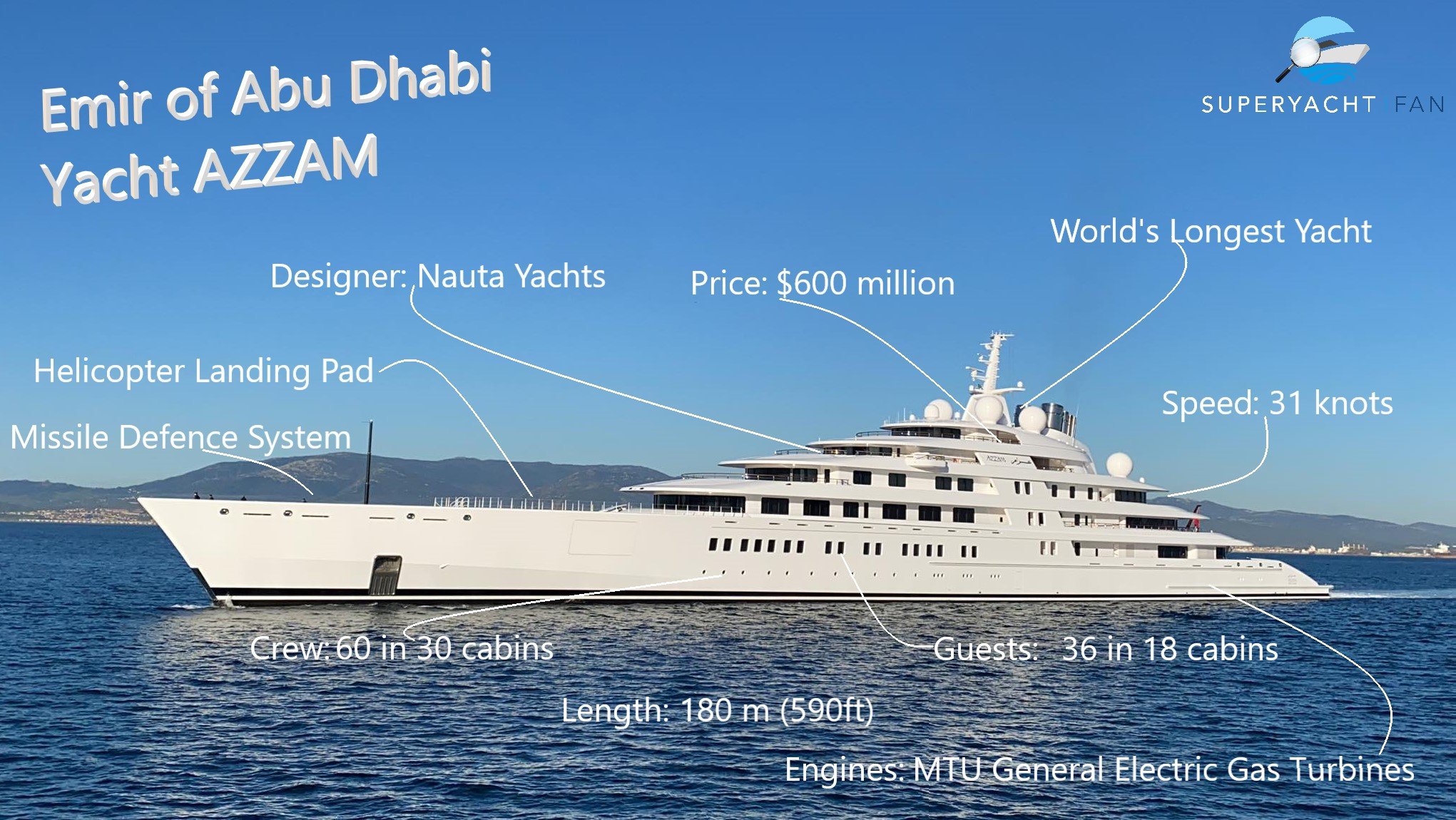
The title of the biggest yacht in the world depends on how size is measured. By length, the longest delivered private yacht is generally considered to be Azzam, which measures approximately 180.6 meters, or 592 feet.
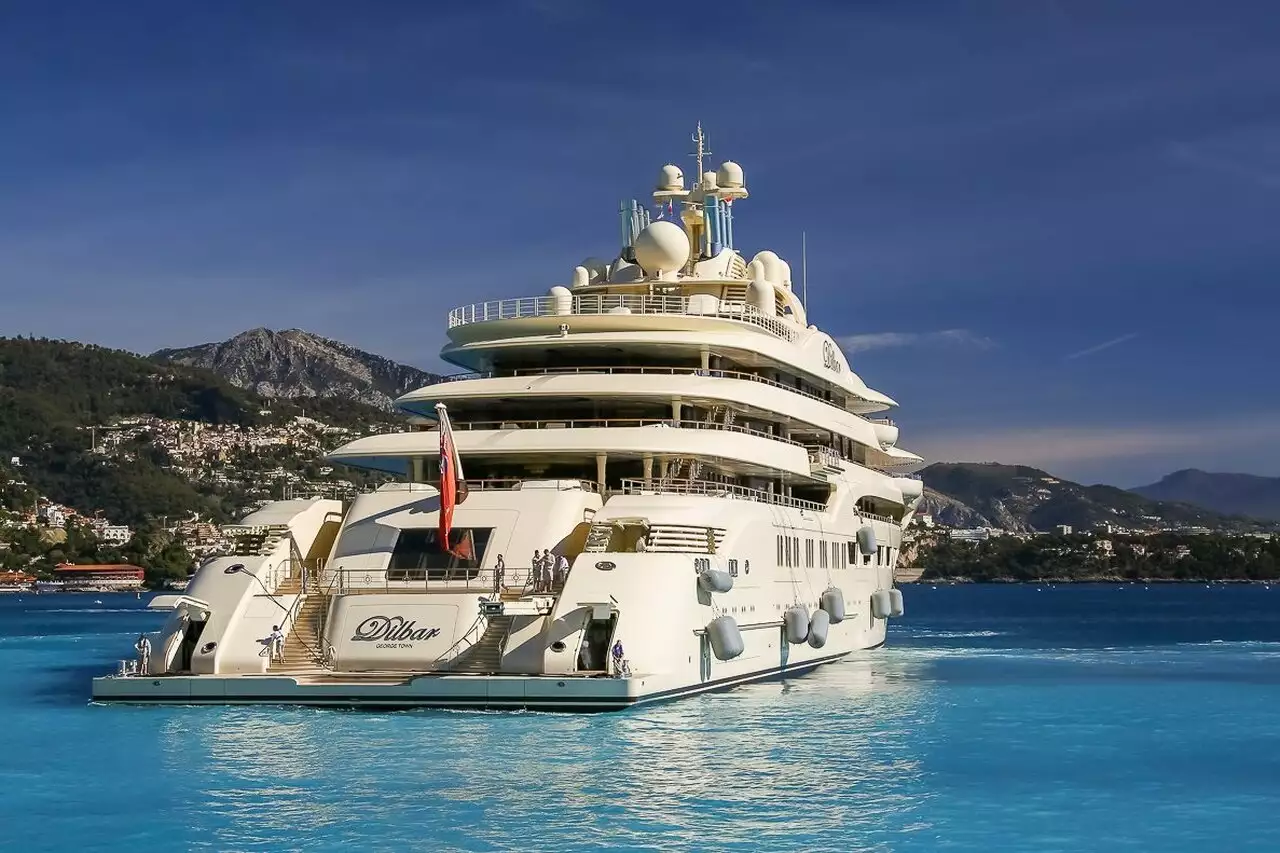
However, length is not the only way to compare the world’s largest yachts. When measured by internal volume and gross tonnage, other yachts can appear larger. The yacht Dilbar, built by Lürssen, is widely described as the largest private motor yacht in the world by gross tonnage. She measures around 156 meters and has a gross tonnage of approximately 15,917 GT.
Some yacht databases also list Fulk Al Salamah as the largest yacht by overall volume, with a reported gross tonnage of more than 20,000 GT. This shows why rankings can differ depending on whether the comparison is based on length, volume, displacement, or yacht category.
Who Owns the Largest Yacht in the World?
The longest delivered private yacht in the world, Azzam, is widely linked to the Al Nahyan royal family of Abu Dhabi. The yacht was built by Lürssen and is one of the most famous superyachts ever constructed.
The largest private motor yacht by gross tonnage, Dilbar, is linked to Russian billionaire Alisher Usmanov. The yacht has been affected by sanctions-related restrictions since 2022 and has remained one of the most high-profile yachts connected to Russian oligarch assets in Europe.
Ownership of the world’s largest yachts is often complex. Many yachts are held through corporate structures, trusts or offshore companies, which can make direct ownership difficult to confirm. For that reason, yacht ownership information is often based on public records, sanctions documents, credible media reporting and industry sources.
A New Number One Position?
The ranking of the world’s largest yachts may change as new projects are completed. One of the most important upcoming vessels is REV Ocean, linked to Norwegian billionaire Kjell Inge Røkke. REV Ocean is reported at approximately 194.9 meters, which would make her longer than Azzam if delivered and ranked as a private yacht.
REV Ocean is not a typical luxury yacht. She has been developed as a research and expedition vessel with scientific, environmental and ocean-conservation objectives. Her combination of private-yacht scale and research-vessel purpose makes her one of the most unusual large yacht projects in the world.
Another major recent entry is BLUE, a 160-meter Lürssen yacht delivered in 2022. BLUE is linked to Sheikh Mansour bin Zayed Al Nahyan and ranks among the largest delivered private yachts in the world.
Only Billionaire Owners
The largest superyachts are owned by some of the wealthiest people and families in the world. These vessels can cost hundreds of millions of dollars to build and many millions per year to operate.
Large yachts require professional crews, technical maintenance, insurance, fuel, berthing, security, tenders, spare parts, refits and regular class surveys. For the biggest yachts, annual running costs can reach tens of millions of dollars. This means that only billionaires, royal families and ultra-high-net-worth individuals can realistically purchase and maintain them.
Read our list of the World’s Richest Yacht Owners.
Royal Families
Royal families are strongly represented among the owners of the world’s largest yachts. The Al Nahyan family, the ruling family of Abu Dhabi, is linked to several of the largest private yachts in the world, including Azzam and BLUE.
The ruling family of Dubai is linked to Dubai, one of the most famous large yachts ever built. The Omani royal family has also been connected to major yachts, including Al Said and support vessels connected to the royal fleet.
Russian billionaires have also historically owned some of the largest yachts in the world. Examples include Dilbar, linked to Alisher Usmanov, and Eclipse, linked to Roman Abramovich. Since 2022, several Russian-linked yachts have been affected by sanctions and legal restrictions in Europe and elsewhere.
What is the Displacement of a Yacht?
The displacement of a yacht is the weight of water that the vessel displaces when floating. In simple terms, it reflects the weight of the yacht and everything onboard, including fuel, water, equipment, stores, tenders and people.
Displacement is usually measured in tons and is especially useful when comparing large, heavy vessels. A yacht with a high displacement is typically designed for stability, comfort and long-range cruising rather than pure speed.
This is different from gross tonnage, which measures internal volume rather than weight. Gross tonnage is one of the best ways to understand how much usable interior space a yacht has. That is why a yacht can be shorter than another vessel but still feel much larger inside.
The Largest Yachts Listed For Sale
From time to time, some of the world’s largest yachts become available on the brokerage market. These vessels are rare, expensive and usually marketed through specialist superyacht brokers.
Large yachts listed for sale may include recently delivered vessels, older yachts after refits, or yachts connected to changing owner requirements. Asking prices can range from tens of millions to several hundred million dollars, depending on the yacht’s size, age, builder, condition and technical specification.
Check our list of 10 of the world’s largest Mega Yachts For Sale.
Top 6 Largest Superyachts in the World by Length
Below is an overview of six of the largest delivered superyachts in the world by length. Rankings may change as new yachts are delivered, refitted, renamed or reclassified.
1. Azzam
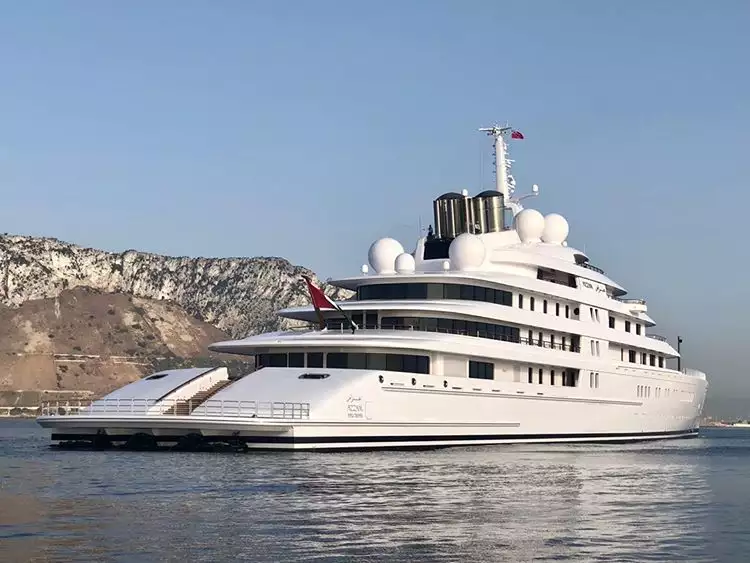
The title of the largest delivered private superyacht by length belongs to Azzam. Measuring approximately 180.6 meters, or 592 feet, Azzam was built by Lürssen and delivered in 2013.
Azzam is widely linked to the Al Nahyan royal family of Abu Dhabi and has often been associated with Sheikh Mohammed bin Zayed Al Nahyan, President of the United Arab Emirates. The yacht’s exterior design is by Nauta Yachts, while her interior was designed by Christophe Leoni.
Azzam is known not only for her length, but also for her speed. She reportedly reaches around 30 knots, which is exceptional for a yacht of this size. Her combination of scale, speed and elegance has made her one of the most important superyachts ever built.
2. Fulk Al Salamah
Fulk Al Salamah is one of the largest yachts in the world by volume and is often ranked near the very top of the largest-yacht lists. Measuring approximately 164 meters, she was built by Mariotti and delivered in 2016.
The yacht is widely associated with the Omani royal fleet. With a reported gross tonnage of more than 20,000 GT, Fulk Al Salamah is larger by internal volume than many yachts that are longer in overall length.
Because of her role and configuration, Fulk Al Salamah is sometimes treated differently in yacht rankings than conventional private motor yachts. Even so, her scale, volume and royal-fleet connection make her an important vessel in any overview of the world’s largest yachts.
3. Eclipse
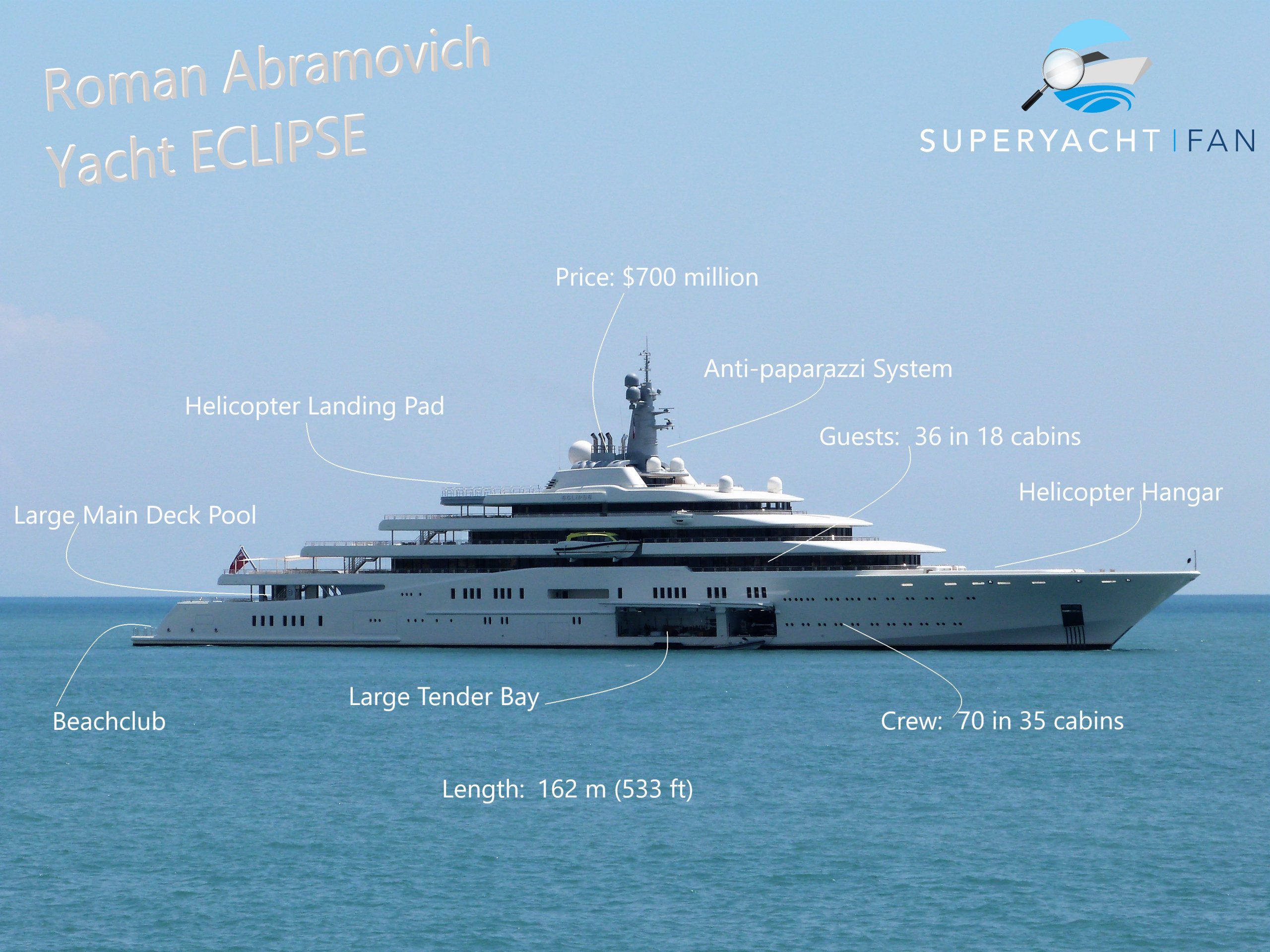
The 162.5-meter Eclipse is one of the most famous superyachts in the world. Built by Blohm+Voss and delivered in 2010, she was for a time widely regarded as the largest private yacht in the world.
Eclipse is linked to Russian billionaire Roman Abramovich. The yacht was designed by Terence Disdale and is known for her long, sleek profile and extensive onboard amenities.
Her reported features include multiple helipads, a swimming pool, a large beach club, tenders and advanced security systems. Eclipse remains one of the defining yachts of the modern megayacht era.
4. Dubai
Dubai measures approximately 162 meters, or 531 feet, and is owned by Sheikh Mohammed bin Rashid Al Maktoum, the ruler of Dubai.
The yacht was completed by Platinum Yachts and features exterior styling by Andrew Winch. Dubai is known for her large volume, impressive guest spaces and strong connection to the royal family of Dubai.
Her features include a swimming pool, helipad, large social areas, guest suites and extensive deck spaces designed for entertaining. She remains one of the most recognizable royal yachts in the world.
5. BLUE
BLUE is a 160-meter custom-built yacht delivered by Lürssen in 2022. She is one of the largest yachts delivered in recent years and ranks among the biggest private yachts in the world by length.
BLUE is linked to Sheikh Mansour bin Zayed Al Nahyan. Her exterior design is by Terence Disdale, with interiors also by Terence Disdale Design.
The yacht includes advanced engineering and modern environmental technology, including systems designed to reduce emissions and improve operational efficiency. BLUE reflects the latest generation of large Lürssen yachts, combining scale, luxury and technical sophistication.
6. Dilbar
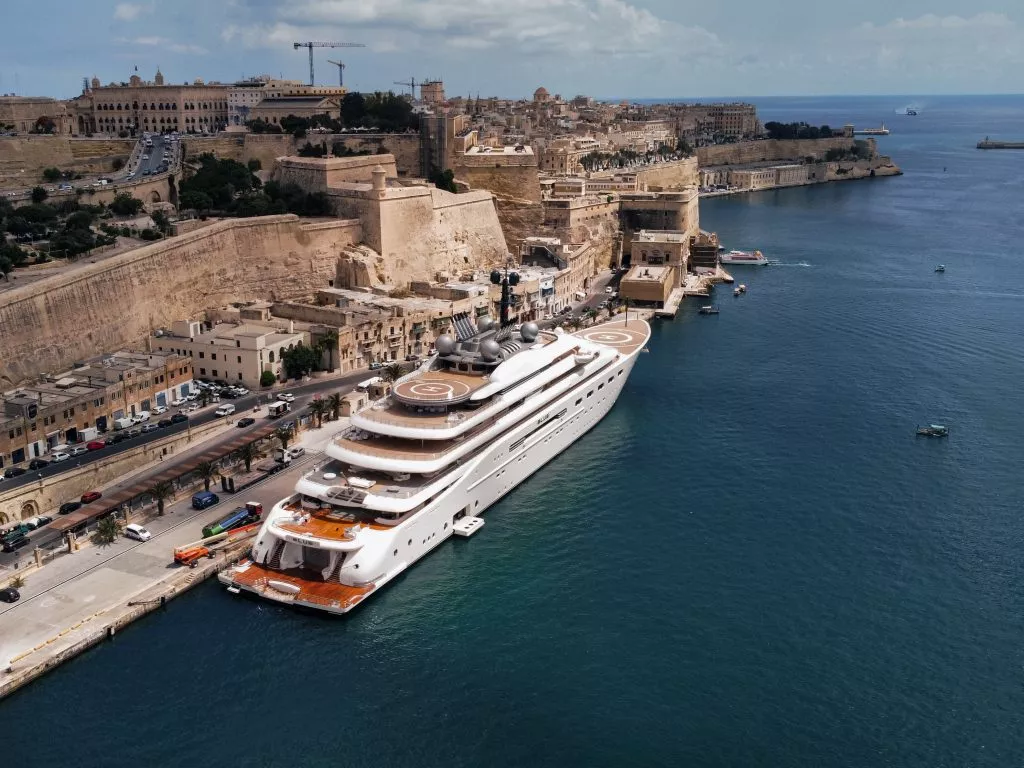
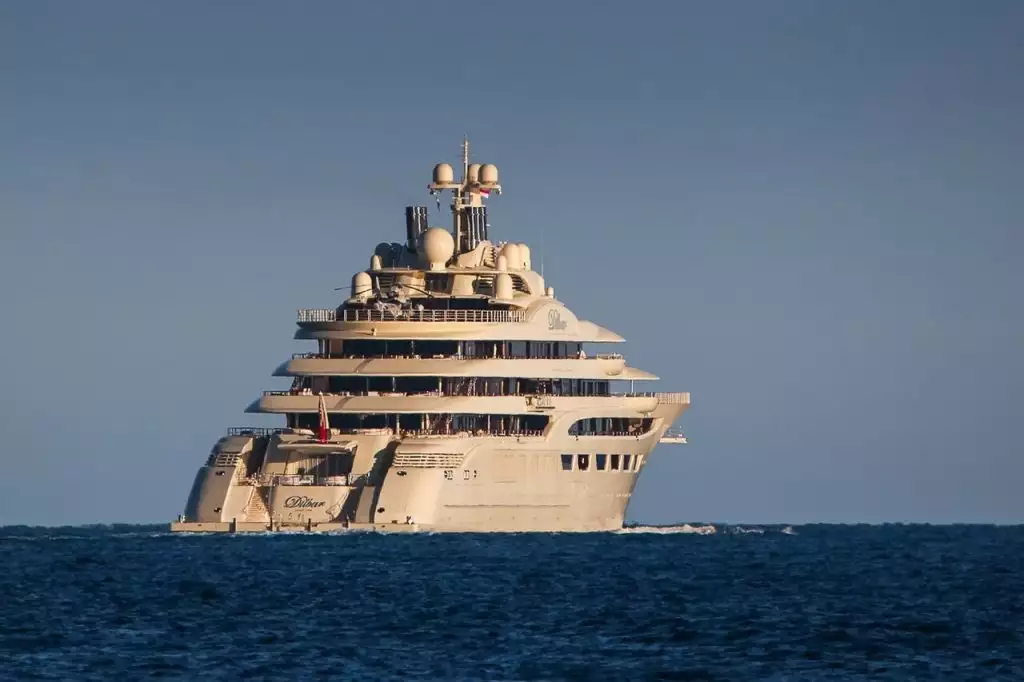
Although not the longest yacht in the world, Dilbar is one of the largest and most impressive private yachts ever built. She measures approximately 156 meters, or 512 feet, and was delivered by Lürssen in 2016.
Dilbar is widely described by Lürssen as the largest motor yacht in the world by gross tonnage, with a reported volume of approximately 15,917 GT. Her interior was designed by Winch Design, while her exterior styling was created by Espen Øino.
The yacht is linked to Alisher Usmanov. Dilbar is known for her enormous interior volume, two helipads and one of the largest swimming pools ever installed on a yacht.
7. Al Said
The 155-meter Al Said was built by Lürssen and delivered in 2008. She is widely associated with the Omani royal family and is one of the most distinctive yachts in the world.
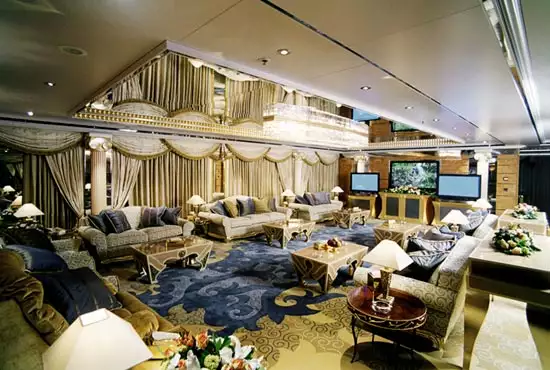
Designed by Espen Øino, Al Said is known for her classic, powerful profile and very large internal volume. The yacht can reportedly accommodate a large number of guests and is famous for having a concert hall capable of hosting a full orchestra.
Al Said remains one of the most important royal yachts ever built and continues to rank among the world’s largest private yachts by length and volume.
Summary
The world’s largest yachts are not all ranked the same way. Azzam is generally considered the longest delivered private yacht, while Dilbar is widely described as the largest private motor yacht by gross tonnage. Fulk Al Salamah is even larger by volume in some yacht databases, while REV Ocean may change future rankings once fully delivered and operational.
Together, these vessels show how the superyacht industry continues to push boundaries in size, design, engineering and luxury. Whether measured by length, volume or displacement, the largest yachts in the world remain symbols of extraordinary wealth, technical ambition and private maritime power.
There is more!
| Rank | Name | Length |
|---|---|---|
| 1 | Azzam | 180 meter / 593 ft |
| 2 | Eclipse | 162 meter / 533 ft |
| 3 | Dubai | 162 meter / 532 ft |
| 4 | BLUE | 160m / 542 ft |
| 5 | Dilbar | 156 meter / 512 ft |
| 6 | Al Said | 155 meter / 509 ft |
| (*) | Fulk Al Salamah | 150 meter / 492 ft |
| 7 | A+ | 147 meter / 483 ft |
| 8 | Prince Abdulaziz | 147 meter / 482 ft |
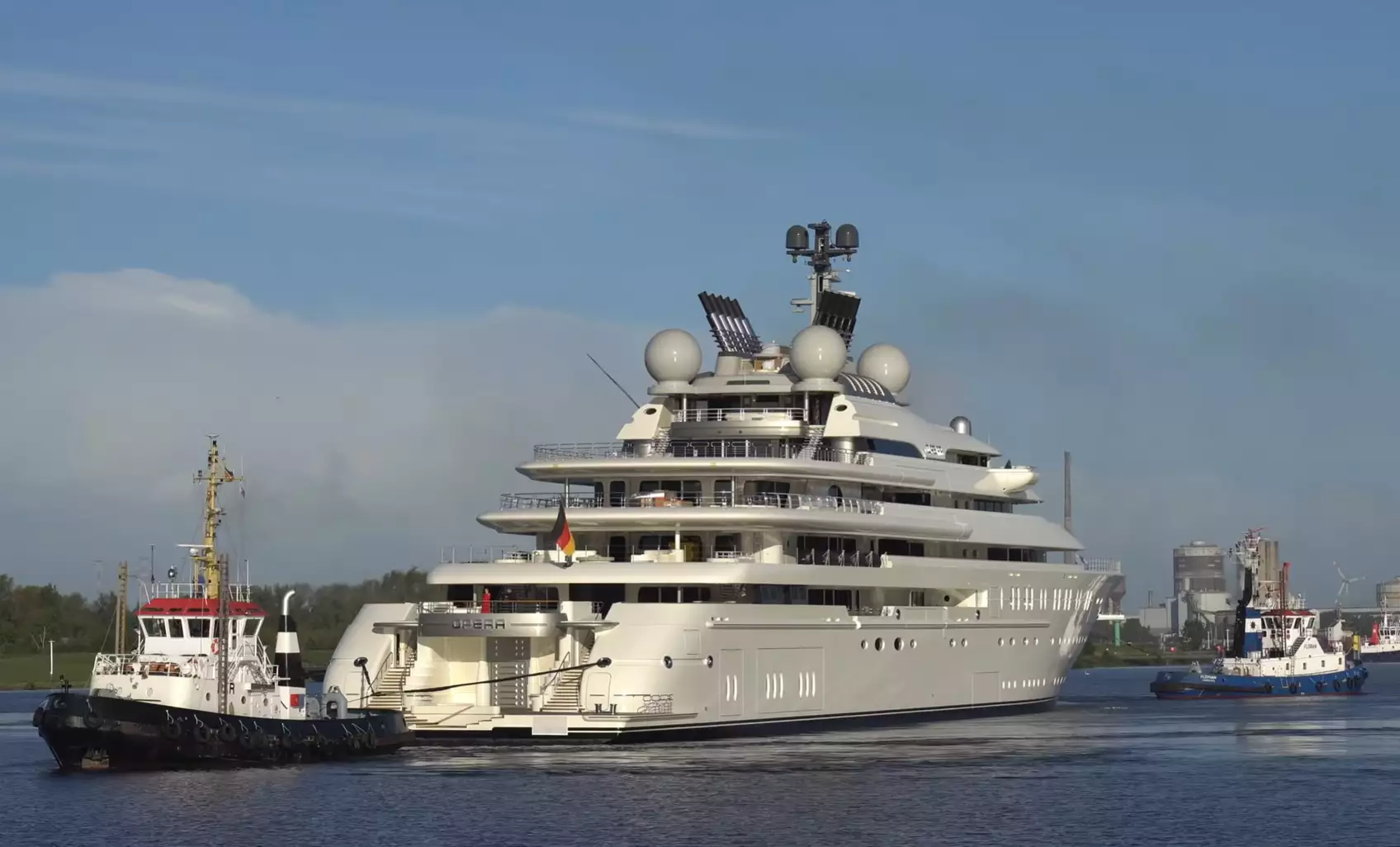
| 9 | OPERA | 146 meter / 479 ft |
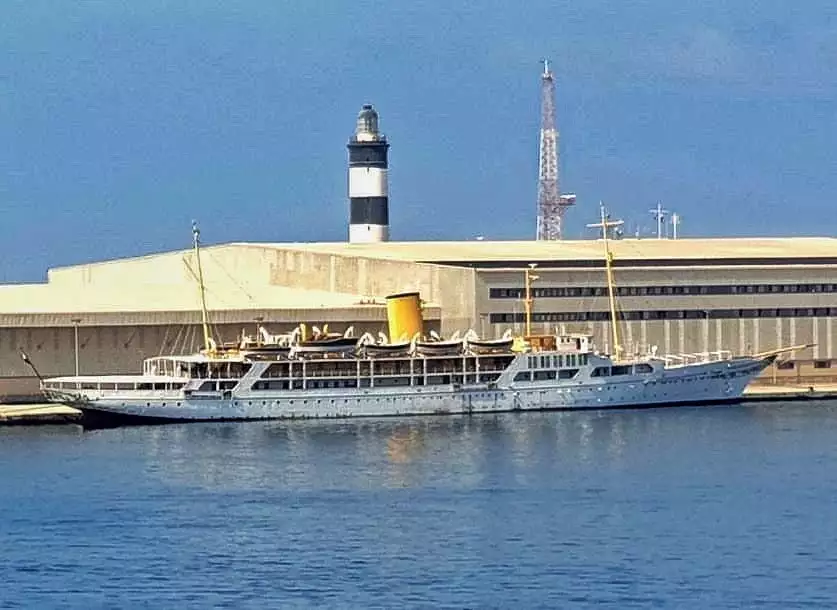
| 10 | El Mahrousa | 146 meter / 478 ft |
| 11 | Yas | 141 meter / 463 ft |
| 12 | Scheherazade | 140 meter / 460 ft |
(*) There is ‘discussion’ whether Fulk Al Salmah can be considered a real yacht, or that she is a navy vessel. She is legally owned by the Royal Navy of Oman. She escorts the yacht Al Said, and she is crewed by the navy.