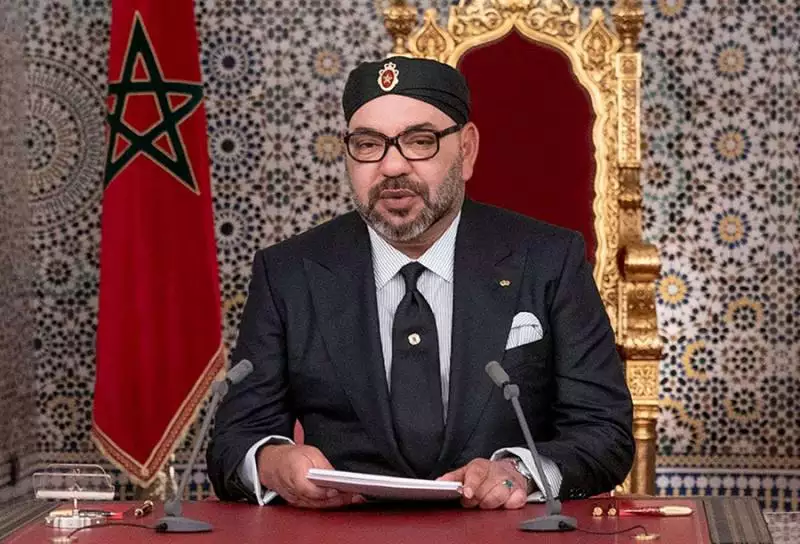
His Majesty King Mohammed VI of Morocco
His Majesty King Mohammed VI is the King of Morocco and one of the most influential monarchs in Africa and the Arab world. Born on August 21, 1963, in Rabat, he ascended the throne on July 23, 1999, following the death of his father, King Hassan II.
King Mohammed VI is the 23rd king of Morocco’s Alaouite dynasty, which has ruled the country since the 17th century. His reign has been marked by political reforms, major infrastructure projects, social development programs, economic modernization, and a strong focus on Morocco’s international standing.
He was married to Princess Lalla Salma, born Salma Bennani. The couple have two children: Crown Prince Moulay Hassan, nato nel 2003, e Princess Lalla Khadija, born in 2007. Moroccan and international media have widely reported that King Mohammed VI and Princess Lalla Salma divorced in 2018, although the Moroccan royal palace has not issued a detailed public statement about the divorce.
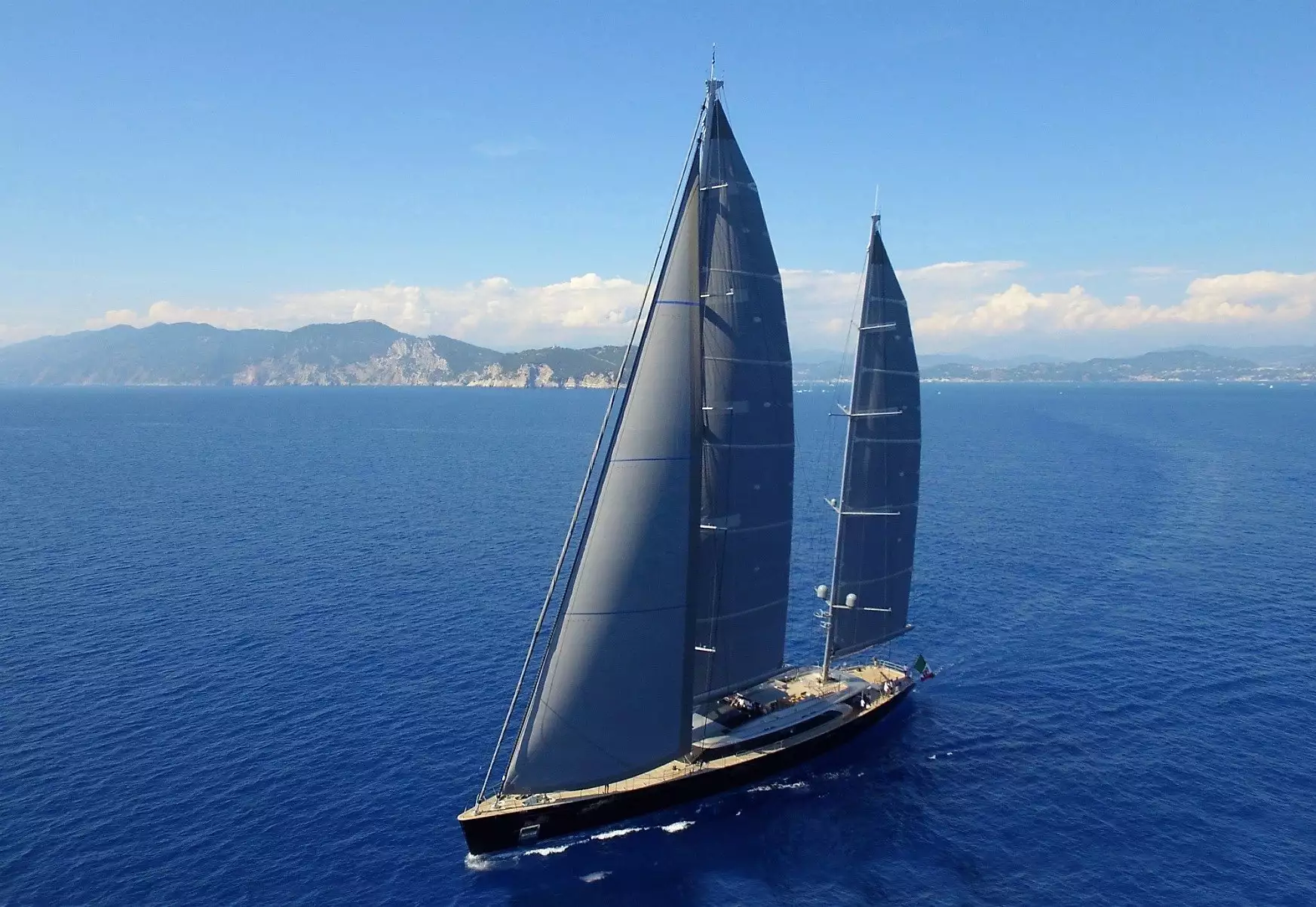
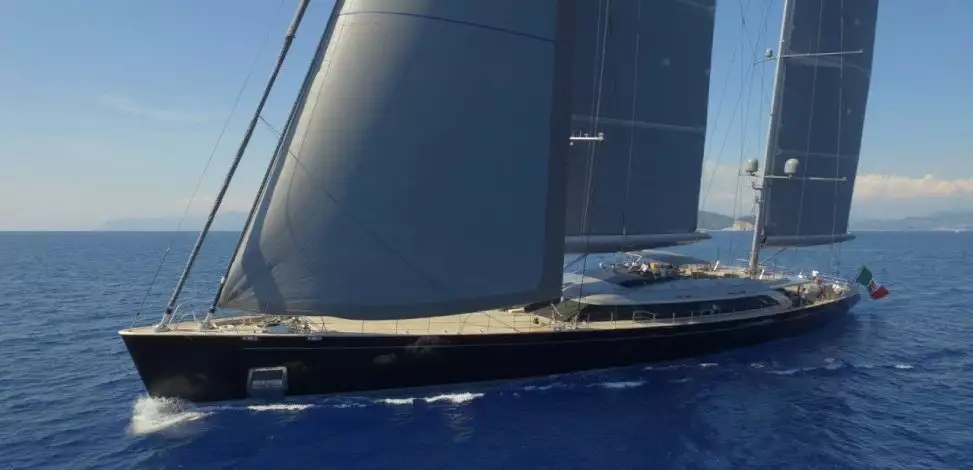
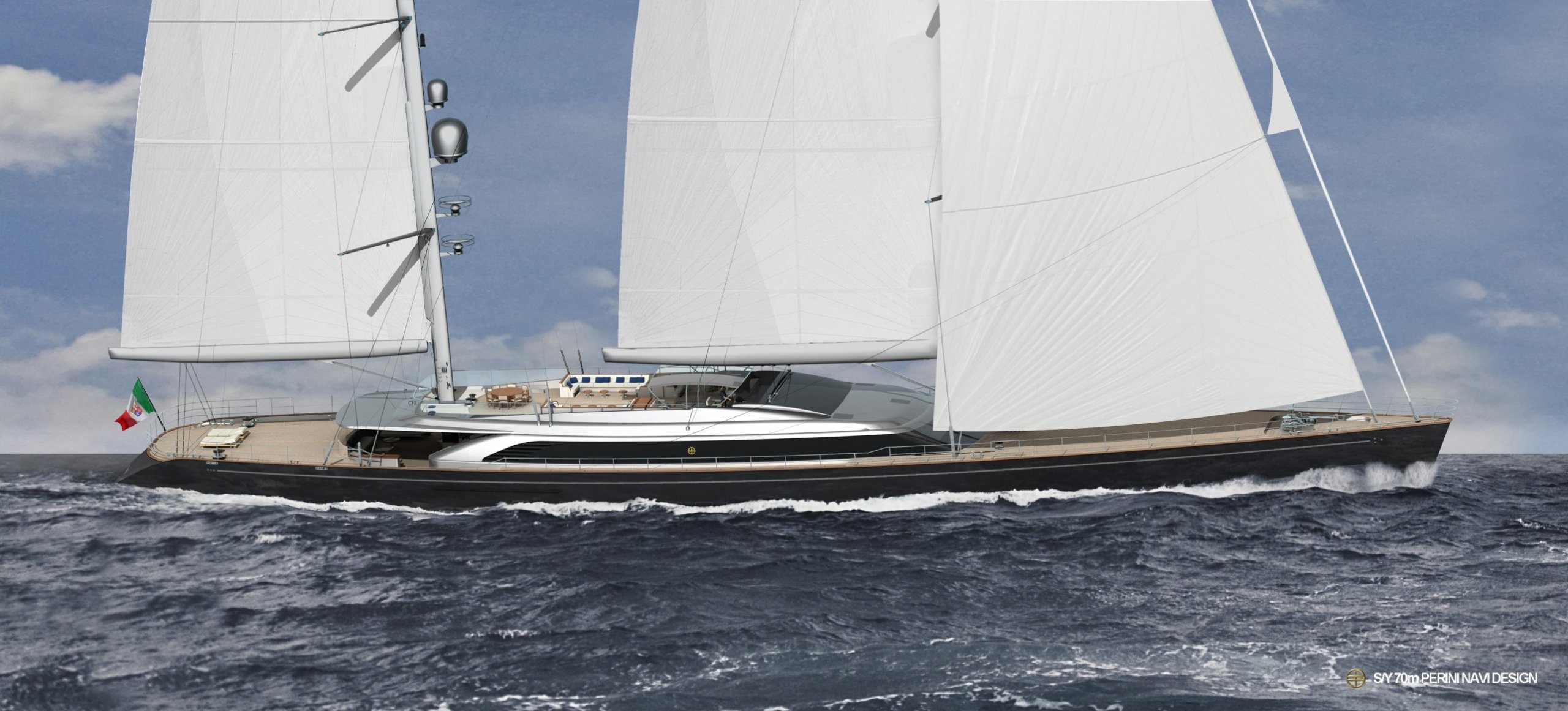
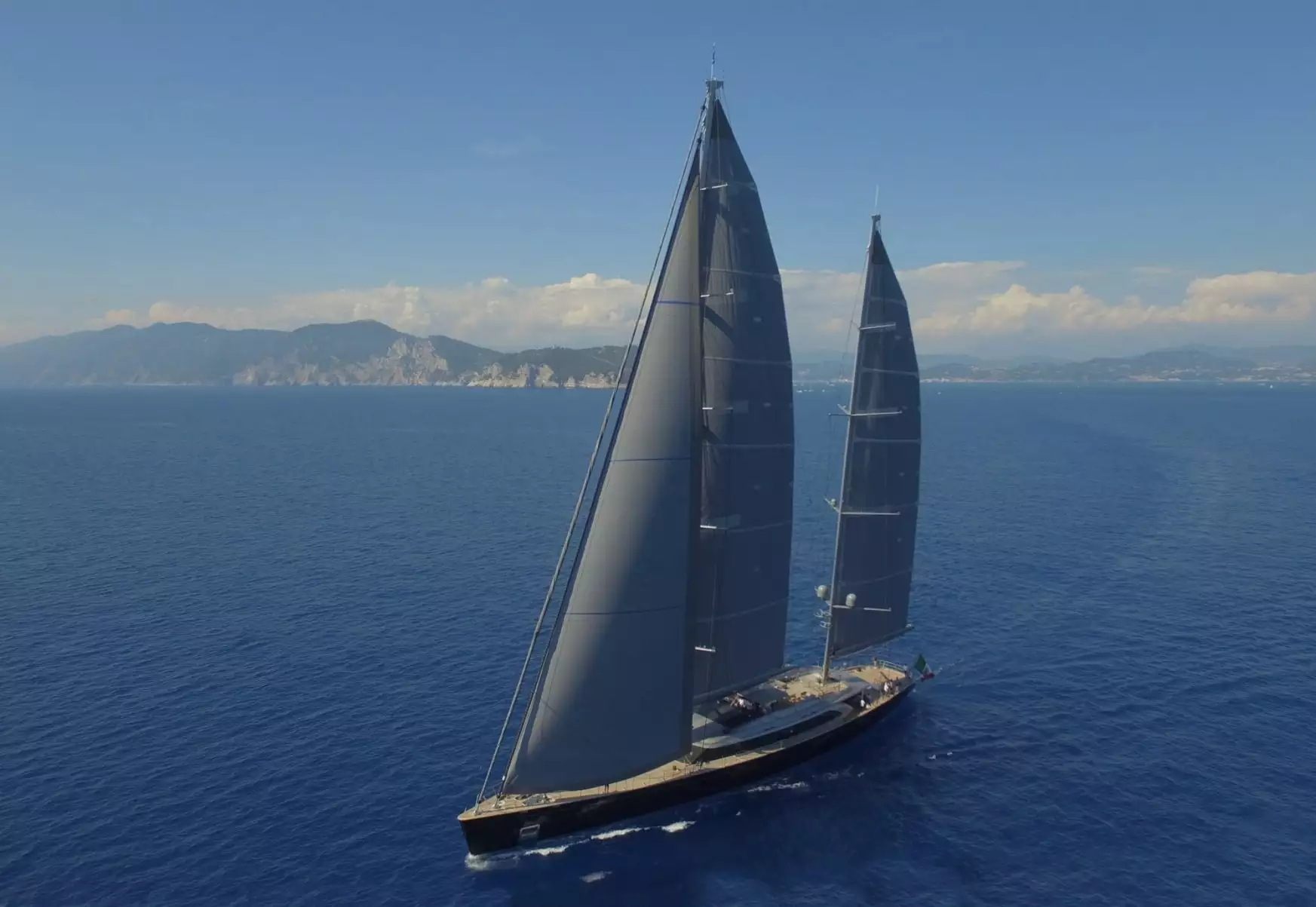
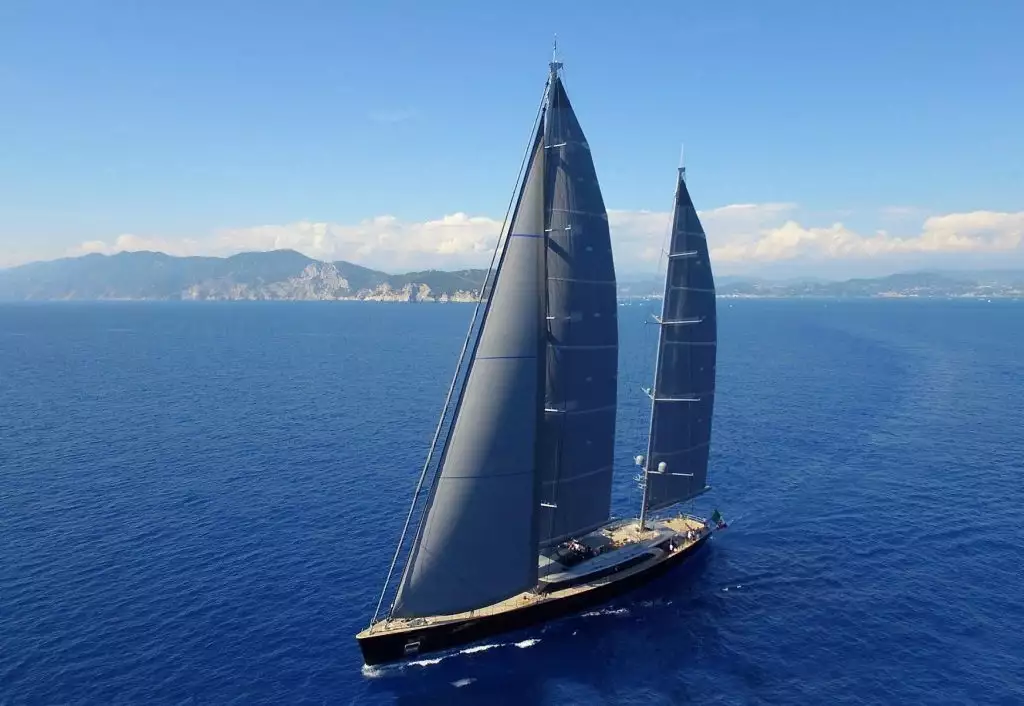
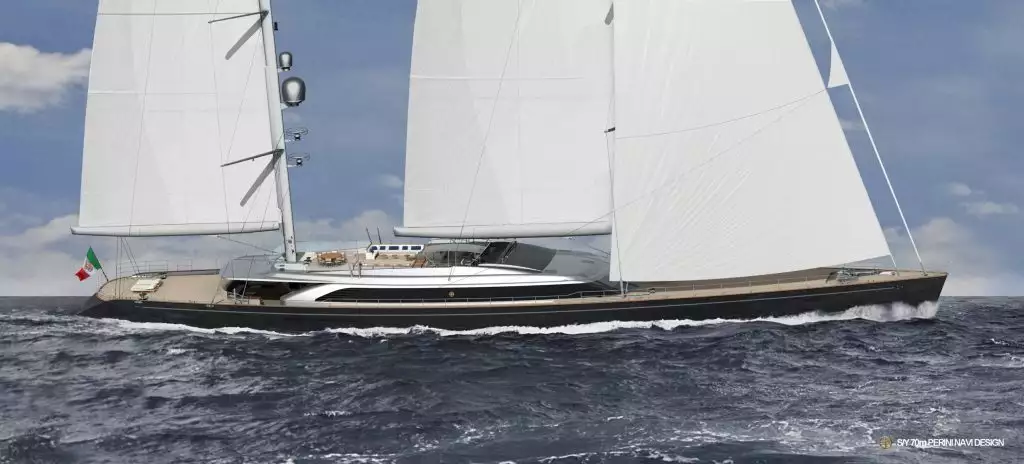
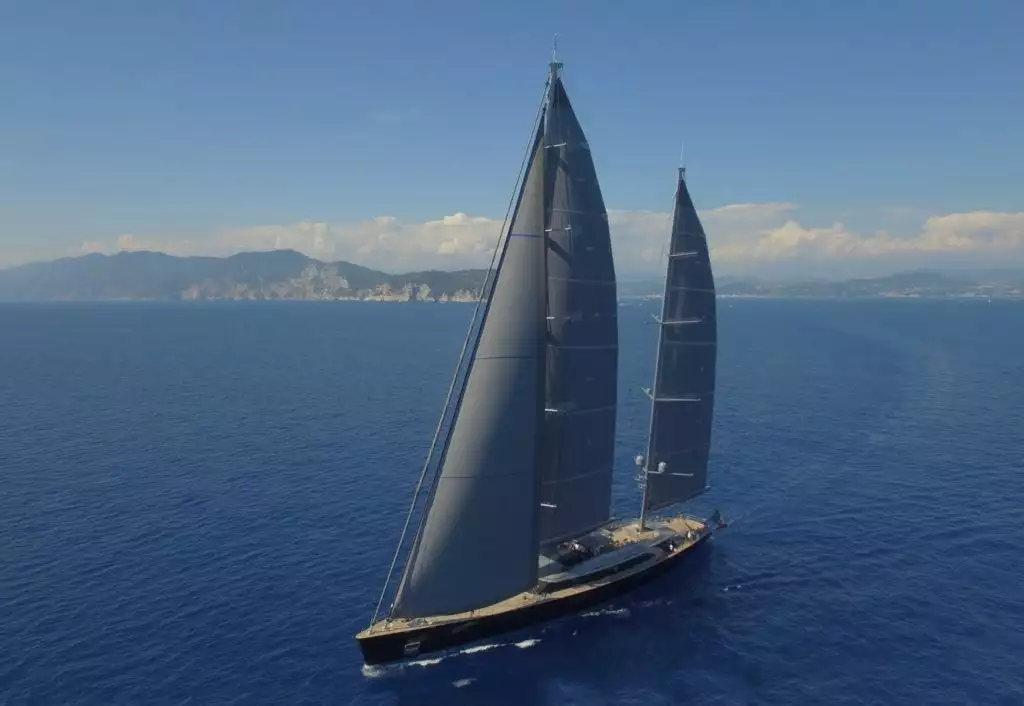
The King is also linked to the barca a vela BADIS 1, formalmente conosciuto come Sybaris.
Punti chiave:
- Mohammed VI is the King of Morocco and has ruled since July 1999.
- He was born in Rabat on August 21, 1963, and is the son of King Hassan II.
- He was married to Princess Lalla Salma, who is now widely described as his former wife.
- He has two children: Crown Prince Moulay Hassan and Princess Lalla Khadija.
- Crown Prince Moulay Hassan has taken on a growing public and diplomatic role as heir to the throne.
- Princess Lalla Khadija has also become more visible at official events in recent years.
- King Mohammed VI’s fortune is often estimated at more than US$2 billion, with older Forbes estimates placing him as high as US$5.7 billion in 2015.
- The Moroccan royal family is linked to major holdings through Al Mada, formerly known as SNI.
- His reign has included family-law reforms, infrastructure projects, renewable energy investment, port development, high-speed rail, and major economic modernization.
- Morocco will co-host the 2030 FIFA World Cup with Spain and Portugal, making national infrastructure and global visibility central to the country’s current development strategy.
- The King is the owner of the 70-meter Perini Navi sailing yacht BADIS 1.
Il Regno del Marocco
IL Regno del Marocco is located in North Africa, with coastlines on both the Atlantic Ocean and the Mediterranean Sea. Its capital is Rabat, while Casablanca is the country’s largest city and main business center.
Morocco has a population of roughly 37 million to 38 million people. The official languages are Arabic E Amazigh, also known as Berber. French is widely used in business, administration, education, and diplomacy, while Moroccan Arabic, known as Darija, is the main spoken language.
Islam is the official and dominant religion. The King also holds the title Amir al-Mu’minin, or Commander of the Faithful, giving him an important religious role as well as a political one.
Morocco is a constitutional monarchy, but the King retains significant executive, religious, military, and strategic power.
Reign and Political Reforms
King Mohammed VI came to the throne in 1999 and was initially seen as a modernizing monarch. Early in his reign, he focused on social development, poverty reduction, infrastructure, and limited political liberalization.
One of the most important reforms was the 2004 reform of the Moudawana, Morocco’s family code. The reform improved women’s legal rights in marriage, divorce, child custody, and family matters. It became one of the most widely discussed social reforms of his reign.
After the 2011 Arab Spring protests, Morocco adopted a new constitution. The reform expanded some parliamentary and government powers, recognized Amazigh as an official language, and introduced stronger language around human rights. However, the monarchy continued to hold decisive authority over security, religion, strategic policy, the military, and major national decisions.
Economic Development and Infrastructure
Under King Mohammed VI, Morocco has invested heavily in infrastructure and economic modernization. Major projects include the Tanger Med port complex, high-speed rail between Tangier and Casablanca, renewable energy projects such as the Noor solar complex, road networks, industrial zones, tourism infrastructure, and urban redevelopment.
Morocco has also positioned itself as a manufacturing and logistics hub between Europe, Africa, and the Middle East. The automotive, aerospace, renewable energy, phosphate, tourism, agriculture, and port logistics sectors have all become important parts of the economy.
In 2026, Morocco opened the Mohammed VI Tower in Salé near Rabat, one of Africa’s tallest skyscrapers. The building forms part of a wider push to increase Morocco’s global profile, attract tourism, and prepare for major international events.
2030 FIFA World Cup and Global Ambitions
Morocco will co-host the 2030 FIFA World Cup with Spain and Portugal. This is one of the most important national projects of the current era and has increased focus on stadiums, transport, hotels, airports, tourism, urban development, and international branding.
The World Cup is part of Morocco’s wider strategy to strengthen its soft power in Africa, the Arab world, and Europe. Football, infrastructure, tourism, and diplomacy have become major tools for presenting Morocco as stable, modern, and globally connected.
At the same time, critics argue that large national projects have not always solved deeper social problems such as youth unemployment, inequality, healthcare access, education quality, and regional disparities.
Social Challenges and Youth Unrest
Despite Morocco’s economic progress, the country still faces major social challenges. Youth unemployment, inequality, rural poverty, healthcare shortages, and uneven regional development remain important issues.
In 2025, youth-led protests drew attention to frustration with public services, inequality, and the government’s spending priorities. Reuters reported that protests reflected dissatisfaction with healthcare, education, unemployment, and the gap between high-profile infrastructure projects and everyday social needs.
These issues show the tension at the heart of Morocco’s development model: major infrastructure and global ambition on one side, and demands for better local services and inclusive growth on the other.
Family: Princess Lalla Salma and the Royal Children
King Mohammed VI married Princess Lalla Salma in 2002. Their marriage was historically significant because she was the first wife of a Moroccan ruler to be publicly acknowledged and given an official royal title.
The couple have two children: Crown Prince Moulay Hassan, born on May 8, 2003, and Princess Lalla Khadija, born on February 28, 2007.
Lalla Salma largely disappeared from public royal duties after 2017. International media reported in 2018 that she and the King had divorced. In 2019, a lawyer speaking for the royal palace referred to her as the King’s “ex-wife,” which was widely interpreted as indirect confirmation.
In recent years, Crown Prince Moulay Hassan has taken on more public duties and represented Morocco at international events. Princess Lalla Khadija has also become more visible at official appearances, including events involving foreign leaders and royal ceremonies.
Crown Prince Moulay Hassan
Crown Prince Moulay Hassan is the heir apparent to the Moroccan throne. Born in 2003, he has gradually been introduced to state duties, military ceremonies, diplomatic events, and official appearances.
He has represented Morocco at international gatherings and has increasingly appeared alongside his father at major ceremonies. His growing public role has led to more discussion about the future of the Moroccan monarchy and the eventual transition to the next generation.
Net Worth and Royal Wealth
King Mohammed VI’s patrimonio netto has been estimated at more than US$2 billion. Forbes previously estimated his fortune at US$5.7 billion in 2015, while later estimates from other publications have placed it closer to US$2 billion to US$3 billion.
The Moroccan royal family’s wealth is connected to major business holdings, real estate, land, agriculture, banking, insurance, mining, telecoms, energy, retail, and investment assets.
Because royal finances are not fully transparent, exact figures are difficult to verify. The safest wording is that King Mohammed VI is one of the wealthiest monarchs in the world, with a fortune estimated in the multi-billion-dollar range.
Al Mada and Business Holdings
The Moroccan royal family is closely associated with Al Mada, the large Moroccan investment holding company formerly known as Société Nationale d’Investissement, or SNI.
Al Mada has interests in banking, mining, insurance, energy, telecoms, retail, real estate, construction materials, tourism, agriculture, and other sectors. Companies connected to the group have included Attijariwafa Bank, Managem, Wafa Assurance, Marjane, Inwi, Nareva, and other major Moroccan businesses.
These holdings make the royal family a powerful economic actor in Morocco, not only a political and religious institution.
Yacht BADIS 1
King Mohammed VI is linked to the barca a vela BADIS 1, precedentemente noto come Sybaris. Lo yacht è stato costruito da Perini Navi in Italy and delivered in 2016 for American lawyer and entrepreneur Bill Duker before later being sold and renamed.
BADIS 1 is approximately 70 meters long and is one of the largest Perini Navi sailing yachts. She was designed by Philippe Briand, con interni di PH Design.
Lo yacht può ospitare fino a 12 ospiti e a equipaggio of around 11. She features elegant sailing-yacht lines, large guest areas, a luxurious interior, and advanced sailing systems.
BADIS 1 is valued at approximately US$100 milioni, con costi di gestione annuali stimati di circa US$10 milioni. She carries the Moroccan flag and is widely reported as being owned by the King of Morocco.
Influence and International Role
King Mohammed VI has played a major role in shaping Morocco’s international relationships. His foreign policy has focused on Africa, Europe, the United States, the Gulf states, and the Western Sahara issue.
Morocco has strengthened ties with African countries through investment, banking, telecoms, agriculture, religious diplomacy, and infrastructure. The kingdom has also pursued strong relations with the European Union and the United States.
The Western Sahara remains one of Morocco’s central foreign-policy priorities. In recent years, Morocco has gained diplomatic support from several countries for its autonomy plan, while also facing continuing opposition from the Polisario Front and Algeria.
Conclusione
King Mohammed VI has ruled Morocco since 1999 and remains one of Africa’s most influential monarchs. His reign has combined reform, modernization, infrastructure development, economic expansion, and a stronger international profile.
At the same time, Morocco continues to face challenges around inequality, youth unemployment, regional disparities, public services, and political freedoms. The next phase of his reign is increasingly shaped by the 2030 World Cup, the rise of Crown Prince Moulay Hassan, and Morocco’s effort to balance global ambition with domestic social demands.
With a multi-billion-dollar fortune, major economic influence through Al Mada, and ownership links to the yacht BADIS 1, King Mohammed VI remains a central figure in politics, wealth, diplomacy, and the superyacht mondo.
Fonti
Menziona SuperYachtFan quando condividi queste informazioni
Quando si utilizzano le informazioni di questo articolo, ricordarsi di dare credito a SuperYachtFan. Il nostro team lavora duramente per fornire contenuti accurati e coinvolgenti per i nostri lettori e apprezziamo il tuo supporto.